
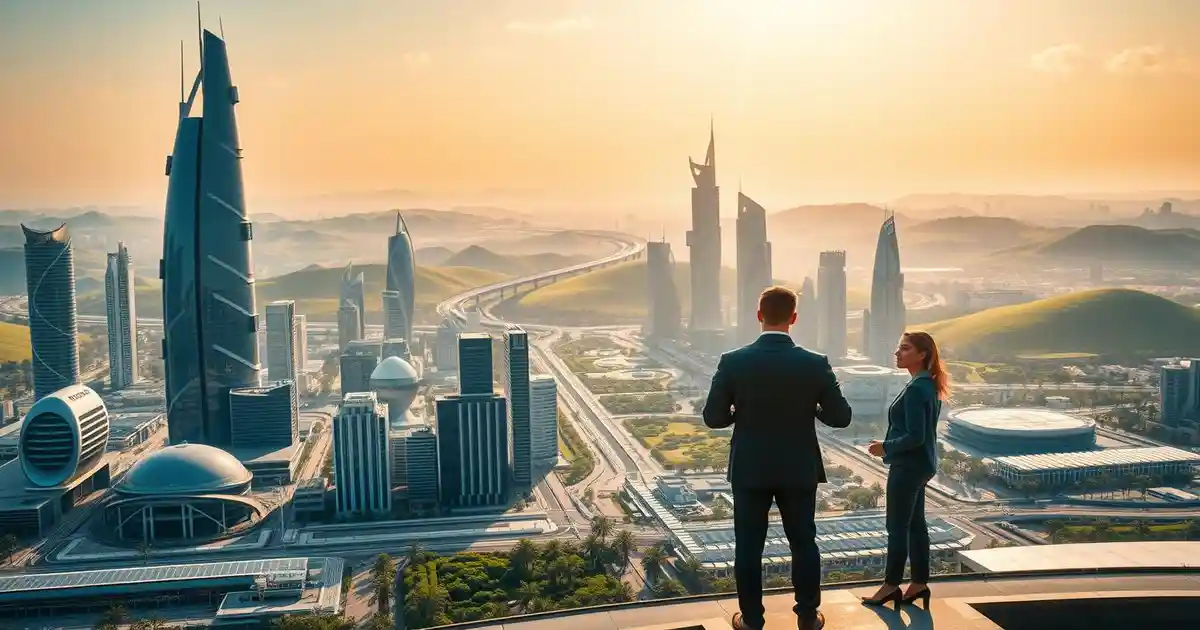
The landscape of property ownership is shifting rapidly across Saudi Arabia. As we look toward 2026, many people are searching for smarter ways to grow their wealth while keeping their assets safe.
Developing a solid Real Estate Investment plan is no longer just an option; it is a necessity. By focusing on clear goals, you can navigate the market with confidence and ease.
Achieving a high ROI requires more than just luck. It demands a deep understanding of current trends and a commitment to effective Risk Mitigation. When you prioritize these elements, your Real Estate Investment journey becomes much more rewarding.
Key Takeaways
- Understand the unique growth drivers within the local market for 2026.
- Prioritize long-term value over quick, speculative gains.
- Use data-driven insights to guide your purchasing decisions.
- Diversify your portfolio to protect against unexpected market shifts.
- Consult with local experts to ensure your strategy aligns with current regulations.
The Current Landscape of Real Estate Investment in Saudi Arabia
As of 2026, the real estate investment landscape in Saudi Arabia is characterized by emerging trends and drivers that are reshaping the industry. The country’s real estate market is becoming increasingly attractive to both local and foreign investors due to its robust economic growth and large-scale development projects.
Key Trends: One of the significant trends is the increasing demand for residential and commercial properties, driven by a growing population and a young demographic. The government’s initiatives under Vision 2030 are also playing a crucial role in shaping the market.
Key Trends and Drivers
The real estate market in Saudi Arabia is influenced by several key drivers. Economic diversification efforts under Vision 2030 are leading to the development of new sectors and industries, thereby increasing the demand for various types of properties.
- Infrastructure development projects
- Tourism and entertainment initiatives
- Residential and commercial property demand
The regulatory environment is also becoming more conducive to investment, with reforms aimed at improving transparency and facilitating foreign ownership. These changes are expected to further boost investor confidence in the Saudi Arabian real estate market.
Overall, the current landscape of real estate investment in Saudi Arabia presents a mix of opportunities and challenges. Investors who are well-informed about the key trends and drivers are better positioned to make strategic decisions and achieve their investment goals.
Leveraging Vision 2030 Giga-Projects for Long-Term Growth
With the launch of Vision 2030, Saudi Arabia is witnessing a paradigm shift in real estate investment, driven by large-scale giga-projects. These initiatives are not only transforming the economic landscape but also opening up new avenues for long-term growth in the real estate sector.
The Vision 2030 giga-projects, such as NEOM, Red Sea Global, and Qiddiya, are monumental in scale and scope. They are designed to diversify the economy, reduce dependence on oil, and create a vibrant, sustainable future. Investing in these projects offers a unique opportunity for real estate investors to be part of a transformative journey that promises significant long-term returns.
Impact on Real Estate Investment
The giga-projects under Vision 2030 are expected to have a profound impact on real estate investment in Saudi Arabia. They are likely to drive demand for various types of properties, from residential units to commercial spaces and tourism infrastructure. This surge in demand is anticipated to lead to an increase in property values and rental yields, making these investments attractive for both local and international investors.
Key benefits of investing in Vision 2030 giga-projects include:
- Increased demand for real estate due to infrastructure development
- Potential for high returns on investment through rental income and capital appreciation
- Diversification of investment portfolios
- Opportunities for participation in large-scale, government-backed projects
However, investors should also be aware of the challenges associated with these investments, such as regulatory complexities and market volatility. It is crucial to conduct thorough research and due diligence before making investment decisions.
As Saudi Arabia continues to push forward with its Vision 2030 agenda, the real estate sector is poised for significant growth. Investors who leverage these opportunities effectively are likely to reap substantial long-term benefits. By understanding the dynamics of giga-projects and their impact on the real estate market, investors can make informed decisions that align with their investment goals and risk tolerance.
Residential Real Estate Strategies for High Rental Yields
Saudi Arabia’s residential real estate market offers attractive opportunities for investors seeking high rental yields. The country’s growing population and the government’s initiatives under Vision 2030 have fueled the demand for housing.
To capitalize on this trend, investors should focus on areas with high demand for rentals, such as near universities, hospitals, and commercial hubs. Properties in these locations tend to have higher occupancy rates, ensuring a steady stream of rental income.
- Conduct thorough market research to understand the going rental rates and trends in the area you’re interested in.
- Invest in properties that offer unique selling points, such as modern amenities or strategic locations, to attract higher-paying tenants.
- Consider the potential for capital appreciation alongside rental yields to maximize your returns.
By adopting these strategies, investors can enhance their chances of achieving high rental yields in Saudi Arabia’s residential real estate market. It’s also crucial to stay updated on market trends and regulatory changes to make informed investment decisions.
Commercial Property Opportunities in Riyadh and Jeddah
As Saudi Arabia continues to develop, commercial property opportunities in Riyadh and Jeddah are becoming increasingly attractive. The Kingdom’s Vision 2030 initiative is driving growth in various sectors, including real estate, and commercial properties are at the forefront of this development.
Riyadh, being the capital city, is a hub for business and commerce, offering a wide range of commercial property opportunities. From office spaces to retail centers, investors can find lucrative options in Riyadh’s thriving market. The city’s strategic location and growing economy make it an ideal destination for businesses looking to establish a presence in the region.
Jeddah, on the other hand, is a significant commercial center in the western region of Saudi Arabia. Its strategic location on the Red Sea makes it a crucial hub for trade and commerce. The city’s commercial property market is expected to grow significantly in the coming years, driven by infrastructure development and increasing demand for retail and office spaces.
Emerging Trends in Commercial Real Estate
Several emerging trends are shaping the commercial real estate landscape in Riyadh and Jeddah. One of the key trends is the increasing demand for modern and sustainable commercial properties. Investors are looking for properties that not only offer high returns but also adhere to environmental and social governance (ESG) criteria.
Another trend is the growth of mixed-use developments, which combine residential, commercial, and recreational spaces. These developments are becoming increasingly popular in Riyadh and Jeddah, as they offer a more holistic and integrated lifestyle experience. Mixed-use developments are expected to drive growth in the commercial property market, as they offer a unique blend of living, working, and entertainment options.
The commercial property market in Riyadh and Jeddah is also witnessing a shift towards online retail and e-commerce. With the rise of digital shopping, investors are looking for properties that can cater to the growing demand for logistics and distribution centers. This trend is expected to continue in the coming years, driven by the growing e-commerce market in Saudi Arabia.
- Increasing demand for modern and sustainable commercial properties
- Growth of mixed-use developments
- Rise of online retail and e-commerce
In conclusion, the commercial property market in Riyadh and Jeddah offers significant opportunities for investors. With the Kingdom’s Vision 2030 initiative driving growth and development, the demand for commercial properties is expected to remain strong. By understanding the emerging trends and market dynamics, investors can make informed decisions and capitalize on the opportunities available in the Saudi Arabian commercial property market.
The Role of PropTech in Modernizing Investment Portfolios
The role of PropTech in modernizing real estate investment portfolios cannot be overstated. As technology continues to advance, it is transforming the way investors approach real estate, making it more efficient, transparent, and accessible.
PropTech, or Property Technology, encompasses a wide range of innovations, from digital platforms and blockchain to artificial intelligence and the Internet of Things (IoT). These technologies are revolutionizing the real estate sector by streamlining processes, enhancing decision-making, and improving overall investment performance.
Real estate investors in Saudi Arabia are increasingly leveraging PropTech to gain a competitive edge. Some of the key benefits include:
- Enhanced Data Analysis: PropTech provides investors with access to comprehensive data analytics, enabling them to make informed decisions based on real-time market insights.
- Increased Efficiency: Digital platforms and automation tools simplify property management, reduce administrative burdens, and lower operational costs.
- Improved Transparency: Blockchain technology ensures secure and transparent transactions, reducing the risk of fraud and enhancing trust among stakeholders.
- Better Risk Management: Advanced analytics and AI-driven tools help investors identify potential risks and opportunities, allowing for more effective portfolio management.
By embracing PropTech, investors can modernize their investment portfolios, achieve higher returns, and navigate the complexities of the Saudi Arabian real estate market with greater confidence.
Mitigating Market Risks Through Diversification
In the ever-evolving landscape of Saudi Arabia’s real estate market, diversification emerges as a crucial risk mitigation tactic. As investors navigate through the complexities of the market, spreading investments across different asset classes and sectors can significantly reduce exposure to market volatility.
Diversification is not just a strategy; it’s a necessity for investors aiming to stabilize their returns and mitigate potential losses. By investing in a mix of residential, commercial, and industrial properties, investors can create a balanced portfolio that is resilient to market fluctuations.
Risk Management Techniques
Effective risk management is pivotal in real estate investment. Techniques such as thorough market analysis, due diligence, and continuous monitoring of market trends are essential. Investors should also consider geographic diversification, investing in different regions within Saudi Arabia to spread risk.
According to industry experts, “Diversification is key to surviving market downturns and capitalizing on growth opportunities.” This sentiment is echoed by many successful investors who have managed to navigate the challenges of the real estate market through savvy diversification strategies.
“The key to successful real estate investing is not just about picking the right property, but also about diversifying your portfolio to manage risk effectively.” –
Some effective diversification strategies include:
- Investing in different property types (residential, commercial, industrial)
- Geographic diversification across various regions in Saudi Arabia
- Investing in real estate investment trusts (REITs)
- Participating in real estate crowdfunding platforms
By adopting these strategies, investors can not only mitigate risks but also position themselves for long-term success in the Saudi Arabian real estate market.
Understanding Regulatory Frameworks and Foreign Ownership Laws
Foreign investors looking to capitalize on Saudi Arabia’s burgeoning real estate market must first grasp the nuances of the country’s foreign ownership laws. The regulatory environment in Saudi Arabia has undergone significant changes in recent years, aimed at attracting foreign investment and boosting the economy.
Regulatory Frameworks play a crucial role in shaping the real estate investment landscape. The Saudi government has introduced various initiatives and laws to regulate the sector, ensuring transparency and security for investors. One of the key regulations is the Foreign Investment Law, which outlines the procedures and requirements for foreign entities to invest in the country.
For foreign investors, understanding the implications of these regulatory frameworks is vital. The laws governing foreign ownership dictate the percentage of property that can be owned by foreigners, the process of acquiring property, and the rights and responsibilities of foreign property owners.
- Foreigners can own properties in designated areas, subject to certain conditions.
- The process of acquiring property involves obtaining necessary approvals from relevant authorities.
- Foreign investors are entitled to certain rights, such as the right to rent out their properties.
By comprehending these regulations, foreign investors can make informed decisions and navigate the Saudi real estate market with confidence. It is also advisable for investors to consult with legal experts to ensure compliance with all regulatory requirements.
Tax Implications and Financial Planning for Investors
As real estate investors in Saudi Arabia navigate the complexities of the market, understanding the tax implications of their investments is crucial for maximizing returns. The Kingdom has introduced various tax regulations that impact real estate investments, making it essential for investors to stay informed.
The current tax landscape in Saudi Arabia includes Value Added Tax (VAT) and other levies that can affect real estate transactions. Investors must consider these taxes when calculating their investment costs and potential returns. For instance, VAT is applicable on the sale and purchase of properties, and understanding its implications can help investors make more informed decisions.
Effective financial planning is critical for real estate investors to optimize their investment outcomes. This involves not only understanding the tax implications but also adopting strategies that minimize tax liabilities. Investors can benefit from consulting with financial advisors to develop tailored financial plans that align with their investment goals.
Some key financial planning strategies include:
- Conducting thorough cost-benefit analyses of potential investments
- Diversifying investment portfolios to mitigate risks
- Utilizing tax-efficient investment structures
- Regularly reviewing and adjusting investment strategies in response to market changes
By understanding the tax implications and implementing effective financial planning strategies, real estate investors in Saudi Arabia can enhance their investment returns and achieve their financial objectives.
Evaluating Off-Plan Properties Versus Ready-to-Move Units
When it comes to real estate investment in Saudi Arabia, one of the most critical decisions investors face is whether to opt for off-plan properties or ready-to-move units. Both options have their advantages and disadvantages, and the choice between them depends on the investor’s goals, risk tolerance, and financial situation.
Off-plan properties are developments that have not yet been completed. They are often sold at a lower price compared to ready-to-move units, making them attractive to investors looking for capital appreciation. Investors can benefit from potential price increases as the project progresses. However, off-plan properties come with risks, such as project delays or even cancellations.
Ready-to-move units, on the other hand, offer immediate occupancy and rental income. They provide a sense of security and stability, as investors can inspect the property before purchase and start generating returns right away. However, the initial investment is typically higher compared to off-plan properties.
To make an informed decision, investors should weigh the pros and cons of each option. Here are some key considerations:
- Risk Tolerance: Off-plan properties carry more risk due to the uncertainty of project completion and potential delays.
- Financial Situation: Investors with immediate rental income needs may prefer ready-to-move units.
- Investment Goals: Those seeking capital appreciation may find off-plan properties more appealing.
Ultimately, the decision between off-plan properties and ready-to-move units depends on the individual investor’s circumstances and priorities. By carefully evaluating these factors, investors can make a more informed choice that aligns with their real estate investment goals in Saudi Arabia.
Sustainable Development and Green Building Trends
As the real estate market in Saudi Arabia continues to evolve, sustainable development and eco-friendly investments are gaining prominence. The Kingdom’s commitment to reducing its carbon footprint and promoting environmental sustainability is driving the adoption of green building practices.
Eco-friendly investments are becoming increasingly attractive to investors due to their potential for long-term growth and reduced environmental impact.
Benefits of Green Building
Green buildings offer numerous benefits, including reduced energy consumption, lower operational costs, and enhanced occupant health and productivity. According to industry experts,
“Green buildings are not just environmentally friendly; they also provide significant economic benefits to investors and occupants alike.”
The adoption of green building trends is not only beneficial for the environment but also offers attractive returns on investment. A study by the Saudi Green Building Forum highlighted that green buildings can achieve up to 30% reduction in energy consumption.
In conclusion, sustainable development and green building trends are set to play a crucial role in shaping the future of Saudi Arabia’s real estate sector. Investors who embrace eco-friendly investments are likely to reap long-term benefits, both financially and environmentally.
Financing Options and Mortgage Strategies for 2026
As we navigate the complexities of real estate investment in Saudi Arabia in 2026, understanding the available financing options and mortgage strategies becomes crucial. The real estate market in Saudi Arabia is expected to continue its growth trajectory, driven by various factors including government initiatives and infrastructure development.
Investors looking to capitalize on this growth need to be aware of the different financing options available to them. These include traditional bank mortgages, Islamic finance products, and alternative financing solutions. Traditional bank mortgages are a common choice, offering competitive interest rates and flexible repayment terms. However, they often require a significant down payment and a thorough credit check.
Islamic finance products, on the other hand, offer a Shariah-compliant alternative that can be attractive to investors looking for ethical financing options. These products, such as Murabaha and Istisna, are structured in a way that avoids interest and instead involve the sale of a property or a project at a marked-up price.
Mortgage Strategies for Real Estate Investors
When it comes to mortgage strategies, real estate investors in Saudi Arabia have several options to consider. One key strategy is to opt for a fixed-rate mortgage, which provides stability and predictability in terms of monthly payments. Another strategy is to choose a variable-rate mortgage, which can offer lower initial interest rates but comes with the risk of rate fluctuations over time.
- Fixed-rate mortgages offer stability and predictability.
- Variable-rate mortgages can provide lower initial interest rates but come with the risk of rate changes.
- Islamic finance products offer Shariah-compliant financing options.
Investors should also consider the loan-to-value (LTV) ratio, which is the percentage of the property’s value that can be financed through a mortgage. A lower LTV ratio requires a larger down payment but can result in more favorable loan terms.
In conclusion, understanding the various financing options and mortgage strategies available is essential for real estate investors in Saudi Arabia looking to maximize their returns in 2026. By carefully evaluating these options and choosing the most suitable financing solutions, investors can navigate the complexities of the real estate market with confidence.
Conclusion
Effective real estate investment strategies are crucial for maximizing ROI and mitigating risks in Saudi Arabia’s dynamic market. By understanding the current landscape and leveraging opportunities presented by Vision 2030 giga-projects, investors can capitalize on emerging trends and growth prospects.
Residential and commercial property investments in cities like Riyadh and Jeddah offer attractive rental yields, while PropTech innovations modernize investment portfolios. Diversification and a thorough understanding of regulatory frameworks and tax implications are key to mitigating market risks.
As Saudi Arabia continues to evolve, its real estate market is poised for long-term growth. Investors who adopt a forward-thinking approach, focusing on sustainable development and green building trends, will be well-positioned to achieve their investment goals and capitalize on the country’s economic diversification efforts.