
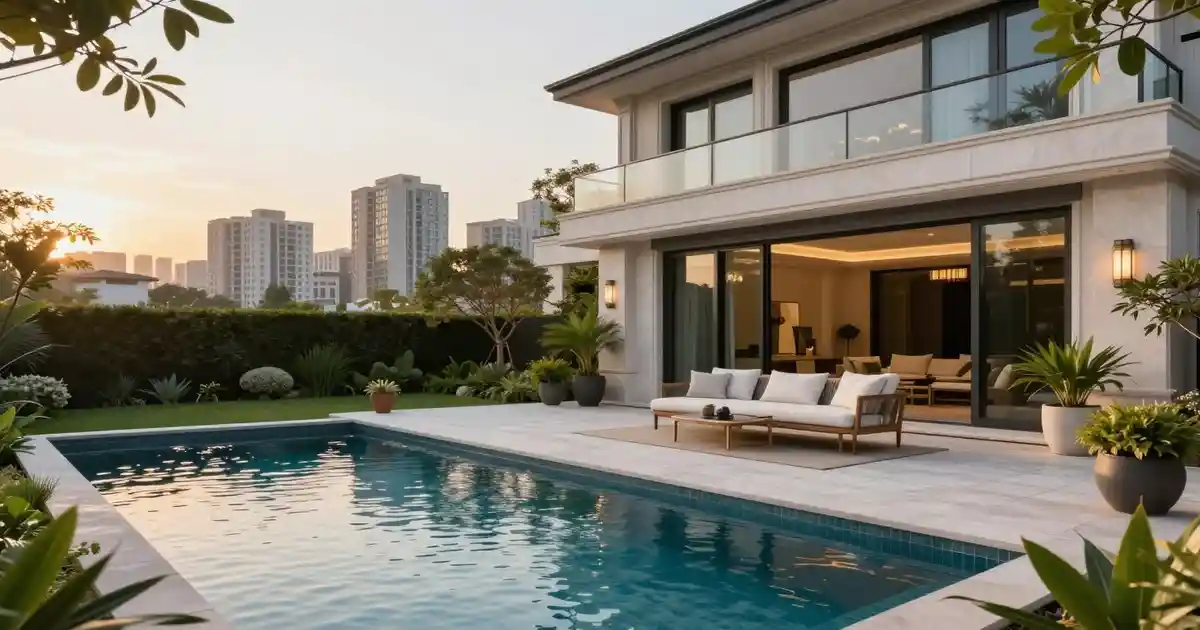
The market for premium homes is shifting faster than ever before. As we look toward the future, understanding the latest shifts is vital for anyone involved in this exclusive sector.
High-End Buyers are no longer just looking for square footage or prime locations. They now prioritize sustainability, smart home integration, and wellness-focused amenities in their search for the perfect property.
Staying ahead of Real Estate Trends 2026 requires a keen eye on how technology and personal values shape modern living. This Luxury Real Estate landscape is evolving to meet the needs of a new generation that demands both comfort and efficiency.
Key Takeaways
- Sustainability is now a top priority for premium property investors.
- Smart home technology has become a standard expectation rather than a luxury.
- Wellness features like private gyms and air purification systems are highly sought after.
- Buyers are placing a higher value on privacy and secure, gated communities.
- Personalization remains the ultimate goal for those building or buying custom homes.
The Evolution of Luxury Real Estate in the United States
The evolution of luxury real estate in the United States is a story of adaptation and innovation. Historically, luxury homes were characterized by their opulence and grandeur, often featuring sprawling estates with intricate details and expansive grounds. However, the landscape of luxury real estate has changed significantly over the years, influenced by economic fluctuations, technological advancements, and shifting lifestyles.
Today, the luxury real estate market is more dynamic than ever, with buyer preferences playing a crucial role in shaping the industry. The demand for luxury homes is no longer just about opulence; it’s about bespoke features, cutting-edge technology, and unique experiences.
Shifts in Buyer Preferences
Buyer preferences in the luxury real estate market have undergone a significant transformation. Modern luxury buyers are looking for more than just high-end finishes and expansive spaces. They are seeking homes that offer a lifestyle, with features such as:
- Smart home technology for seamless integration and control
- Sustainable and eco-friendly designs
- Wellness-focused amenities like private cinemas and gyms
- Private outdoor spaces and unique architectural designs
These shifts are driven by changing demographics, with younger buyers entering the market and bringing new expectations. The luxury real estate sector is adapting to these changes by offering more personalized and experiential living environments.
As the market continues to evolve, understanding these shifts is crucial for developers, agents, and buyers alike. The future of luxury real estate in the United States will be shaped by the ability to innovate and adapt to the changing needs and desires of luxury homebuyers.
Hyper-Personalized Wellness Sanctuaries
Wellness sanctuaries are becoming the hallmark of luxury real estate, offering a haven for physical and mental rejuvenation. As the importance of health and wellness continues to grow, luxury homes are being designed with wellness-centric features that cater to the specific needs of their inhabitants.
The concept of a wellness sanctuary is not just about having a gym or a spa; it’s about creating an environment that promotes overall well-being. This includes the integration of advanced air purification systems, circadian lighting, and even smart home technology that monitors and adjusts the living environment for optimal health.
Features of Luxury Wellness Homes
Luxury homes are now being designed with a variety of wellness-focused features. Some of the key elements include:
- Private spas and wellness centers
- State-of-the-art fitness facilities
- Meditation and yoga rooms
- Healthy living spaces with non-toxic materials
- Advanced water filtration systems
“The future of luxury living is not just about opulence; it’s about creating spaces that nurture both body and mind.”
As noted by a recent trend report, “The integration of wellness features in luxury homes is no longer a niche market but a mainstream demand.”
The demand for such luxury homes is driven by a growing awareness of the importance of wellness and self-care. Buyers are seeking properties that not only offer luxurious amenities but also contribute to their overall health and well-being.
In conclusion, hyper-personalized wellness sanctuaries are redefining the concept of luxury living. By incorporating advanced wellness features and technologies, these homes provide a holistic living experience that is both luxurious and nurturing.
Sustainable Architecture and Net-Zero Living
The luxury real estate market is witnessing a significant transformation with the integration of sustainable architecture and net-zero living concepts. As concern for the environment grows, luxury homebuyers are increasingly looking for eco-friendly homes that not only minimize their carbon footprint but also offer a luxurious living experience.
Sustainable architecture in luxury real estate involves designing homes that are environmentally responsible and resource-efficient throughout their lifecycle. This includes using sustainable materials, optimizing energy efficiency, and incorporating renewable energy sources.
Net-zero homes are designed to produce as much energy as they consume over a year, significantly reducing their reliance on non-renewable energy sources. The benefits of net-zero homes include:
- Reduced energy costs
- Lower carbon footprint
- Increased property value
- Improved indoor air quality
To achieve net-zero living, luxury homes are being equipped with cutting-edge technologies such as solar panels, energy-efficient appliances, and advanced insulation systems. These features not only contribute to a more sustainable lifestyle but also enhance the overall living experience.
As the demand for eco-friendly luxury homes continues to grow, sustainable architecture and net-zero living are becoming key selling points in the luxury real estate market. Homebuyers are willing to invest in properties that offer a luxurious lifestyle while also supporting their commitment to environmental sustainability.
The Rise of Tech-Integrated Smart Estates
The rise of smart estates is revolutionizing the concept of luxury, making technology an integral part of the high-end living experience. In the realm of luxury real estate, tech-integrated homes are becoming the new standard, offering homeowners a blend of convenience, security, and entertainment like never before.
Smart estates are equipped with advanced technology that integrates various systems, allowing for seamless control over lighting, temperature, security, and entertainment. This integration is not just about convenience; it’s about creating a living environment that is responsive to the homeowner’s needs and preferences.
Security and Convenience Features
One of the primary concerns for luxury homeowners is security. Smart estates address this concern with advanced security systems that include biometric authentication, AI-powered surveillance, and real-time alerts. These features ensure that the home is not only secure but also provides peace of mind for the residents.
Convenience is another key aspect of tech-integrated homes. With voice-controlled lighting and temperature systems, homeowners can adjust their living environment with ease. Moreover, smart home technology allows for the automation of routine tasks, making life more efficient and enjoyable.
The integration of technology in luxury homes is not limited to security and convenience. It also extends to entertainment and leisure. State-of-the-art home theaters and smart outdoor spaces are becoming increasingly popular, offering homeowners and their guests an immersive entertainment experience.
As technology continues to evolve, we can expect smart estates to become even more sophisticated. The future of luxury real estate is undoubtedly tied to the advancement of smart home technology, making it an exciting time for high-end buyers and industry professionals alike.
- Advanced security systems with biometric authentication
- Voice-controlled lighting and temperature systems
- AI-powered surveillance and real-time alerts
- State-of-the-art home theaters
- Smart outdoor spaces for enhanced entertainment
Privacy and Security as the Ultimate Luxury
In the realm of luxury real estate, privacy and security have emerged as paramount concerns for high-end buyers. The desire for seclusion and protection is driving innovation in the design and features of luxury properties.
Advanced Security Measures are being integrated into luxury homes to ensure the safety and confidentiality of their occupants. These include:
- Biometric authentication systems
- State-of-the-art surveillance systems
- Private estates with gated communities
Private Estates and Confidentiality
Private estates are becoming increasingly popular among high-net-worth individuals who value their privacy. These estates often come with confidentiality agreements to ensure that the personal lives of the residents remain private.
The emphasis on Luxury Real Estate Security is not just about protecting assets; it’s about creating a sanctuary where residents can feel safe and secure. As such, Private Estates are being designed with security as a top priority, incorporating advanced technology and discreet service.
For those seeking the ultimate in luxury and privacy, these private estates offer a unique living experience that combines exclusivity with cutting-edge security features.
Multi-Generational Living and Flexible Floor Plans
Luxury homes are adapting to the needs of multi-generational families through innovative and flexible designs. As families become more diverse and multi-generational, the demand for homes that can accommodate different age groups and lifestyles is on the rise.
“The traditional family structure is evolving, and our homes need to evolve with it,” says a leading architect. This shift is driving the demand for flexible floor plans that can be easily adapted to meet the changing needs of families.
Flexible floor plans offer numerous benefits for multi-generational families. They provide the ability to create separate living areas for different generations, ensuring privacy and independence while still allowing for family bonding.
- Adaptability to changing family needs
- Increased privacy for different generations
- Enhanced functionality through multi-purpose spaces
For instance, a flexible floor plan might include a separate in-law suite that can be used as a guest room, home office, or even rented out on short-term rental platforms. This kind of versatility is highly valued in today’s luxury real estate market.
As multi-generational living continues to trend, the importance of flexible and adaptable home designs will only continue to grow. Luxury homebuyers are looking for properties that not only meet their current needs but can also evolve with their families over time.
“The future of luxury real estate is about creating homes that are not just beautiful and luxurious, but also functional and adaptable to the changing needs of families.”
In conclusion, the trend towards multi-generational living is driving innovation in luxury home design, with a focus on flexibility and adaptability. As the market continues to evolve, we can expect to see even more creative solutions to the challenge of creating homes that meet the diverse needs of modern families.
The Shift Toward Experiential Amenities
The luxury real estate market is witnessing a significant shift toward experiential amenities, redefining what it means to live in a high-end property. High-end buyers are no longer just looking for material luxury but are seeking experiences that enhance their lifestyle.
Luxury homes are now being developed with a focus on creating memorable experiences. Today’s luxury homeowners crave more than just a beautiful home; they desire a lifestyle that is enriched by the amenities and services provided.
Luxury homes are now being equipped with a variety of experiential amenities that cater to the diverse interests of their owners.
- Private cinemas for an immersive entertainment experience
- Wine cellars that offer a sophisticated space for wine tasting and storage
- Outdoor entertainment spaces designed for hosting lavish parties and gatherings
- State-of-the-art fitness centers and spas for wellness and relaxation
- Private art galleries for art enthusiasts to showcase their collections
As Mark Harrison, a luxury real estate expert, once said, “The future of luxury real estate lies in creating homes that are not just places to live, but destinations in themselves.”
“The most successful luxury properties are those that offer a unique experience, combining innovative design, exceptional service, and curated amenities to create an unparalleled lifestyle.”
The incorporation of experiential amenities is revolutionizing the luxury real estate market, offering homeowners a life of luxury and convenience.
Location Preferences in a Post-Urban World
The luxury real estate landscape is undergoing a significant transformation as high-end buyers increasingly look beyond urban centers. With the rise of remote work and changing lifestyles, there’s a growing demand for locations that offer a more relaxed pace of life and unique lifestyle opportunities.
The traditional appeal of urban living is being reevaluated as luxury homebuyers seek out rural and coastal locations that provide a serene environment and a chance to reconnect with nature. These areas are becoming increasingly popular due to their ability to offer a tranquil retreat from the hustle and bustle of city life.
Urban Retreats and Smart Locations
Despite the shift towards more secluded areas, there’s still a strong interest in urban retreats that combine the benefits of city living with the tranquility of a retreat. These smart locations are designed to offer the best of both worlds, providing luxurious amenities and services within a peaceful setting.
Some of the key factors driving the demand for these locations include the desire for privacy and security, the need for flexible living arrangements, and the appeal of experiential amenities. As a result, luxury real estate developers are focusing on creating properties that cater to these needs, often incorporating advanced technology and sustainable practices.
In conclusion, the luxury real estate market is witnessing a significant shift in location preferences, driven by the changing needs and desires of high-end buyers. As we move forward, it’s likely that we’ll see continued innovation in luxury real estate locations, with a focus on creating unique, desirable, and sustainable living environments.
Conclusion
As we look ahead to 2026, the luxury real estate market is poised for significant transformations driven by evolving preferences of high-end buyers. Trends such as hyper-personalized wellness sanctuaries, sustainable architecture, and tech-integrated smart estates are redefining the concept of luxury living.
High-end buyers are increasingly seeking properties that not only offer opulence and exclusivity but also align with their values and lifestyle. The shift toward experiential amenities and multi-generational living spaces is also gaining momentum, reflecting a desire for community and connection.
To navigate this evolving landscape, developers and agents must stay attuned to these luxury real estate trends and understand the needs of discerning high-end buyers. By doing so, they can create and market properties that meet the changing demands of the luxury market, ultimately driving success in this dynamic and competitive industry.