
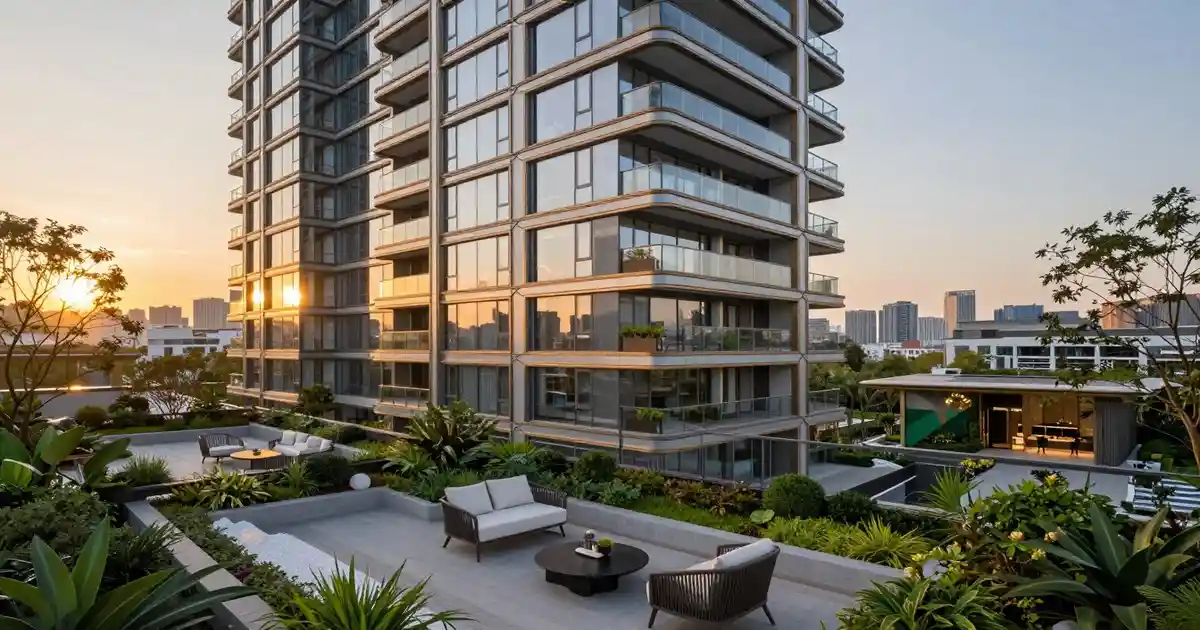
The world of high-end property is shifting rapidly as we approach a new era of design and innovation. Discerning buyers are no longer just looking for a home; they seek curated experiences that blend comfort with cutting-edge technology.
Current trends suggest that luxury residential projects are becoming the gold standard for modern living. These developments prioritize sustainability, wellness, and privacy to meet the demands of a global clientele.
As we look toward the 2026 market outlook, industry experts anticipate a surge in demand for bespoke amenities. Understanding these shifts is vital for anyone navigating the complex landscape of luxury real estate today.
This guide explores the factors shaping the future of premium housing. We will examine how architectural vision and economic shifts define the next generation of iconic homes.
Key Takeaways
- High-end buyers are prioritizing wellness-focused amenities and smart home integration.
- Sustainability is now a core requirement for top-tier residential developments.
- The 2026 market outlook points toward a steady increase in demand for private, secure living spaces.
- Architectural innovation is driving value in the current competitive landscape.
- Strategic investments in prime locations remain the safest path for long-term growth.
Defining the Modern Standard of Luxury Real Estate
In the realm of luxury real estate, the modern standard is all about delivering an extraordinary living experience through cutting-edge amenities and personalized services. Luxury properties today are distinguished not just by their opulence, but by the comprehensive lifestyle they offer.
Luxury Amenities are a crucial aspect of high-end real estate. These include:
- Private cinemas and entertainment lounges
- State-of-the-art fitness centers and spas
- Exclusive access to golf courses, tennis courts, and other sports facilities
- Smart home technology integration for seamless living
Amenities and Services
The modern luxury property goes beyond just providing a place to live; it offers an immersive lifestyle experience. Services such as personalized concierge, private chefs, and dedicated property management are becoming the norm.
Some of the key services expected in luxury properties include:
- 24/7 Security and Surveillance
- Private Parking and Valet Services
- Exclusive Access to Community Events
The integration of wellness-focused amenities is also on the rise, with properties incorporating wellness centers, meditation gardens, and healthy living programs to cater to the holistic well-being of residents.
As the luxury real estate market continues to evolve, understanding these modern standards is crucial for both buyers and investors looking to make their mark in the world of high-end properties.
The Current Landscape of the United States Property Market
As we delve into the current landscape of the US property market, it’s clear that luxury real estate is undergoing a transformative period. The market is influenced by a myriad of factors including economic conditions, consumer preferences, and technological advancements.
The US property market is characterized by its dynamic nature, with luxury residential projects being a key area of focus. Recent trends indicate a shift towards more sophisticated and sustainable living spaces, driven by the increasing demand for high-end amenities and eco-friendly features.
Real estate trends suggest that there’s a growing preference for properties that offer a blend of luxury, comfort, and technological integration. This includes smart home features, wellness-oriented designs, and exclusive community amenities.
A comprehensive market analysis reveals that the luxury segment is not only resilient but also evolving. Factors such as location, architectural innovation, and the incorporation of sustainable practices play a crucial role in defining the luxury real estate landscape.
- Luxury homebuyers are increasingly looking for unique, bespoke properties.
- There’s a growing emphasis on sustainability and eco-friendly construction practices.
- Technological integration is becoming a standard expectation in luxury homes.
The current landscape of the US property market is thus marked by a complex interplay of trends, consumer preferences, and economic factors. Understanding these dynamics is crucial for stakeholders looking to navigate the luxury real estate sector effectively.
Architectural Innovations Shaping 2026 Residential Projects
As we look towards 2026, the luxury residential market is poised to be shaped by groundbreaking architectural innovations. The integration of technology and sustainable design is becoming increasingly prevalent, redefining the concept of luxury living.
Sustainable design is at the forefront of these innovations, with architects incorporating eco-friendly materials and energy-efficient systems into their designs. This not only reduces the environmental footprint of luxury homes but also enhances their appeal to environmentally conscious buyers.
Smart Homes and Energy Efficiency
The rise of smart homes is a significant trend in the luxury residential sector. These homes are equipped with advanced technology that allows for seamless control over lighting, temperature, security, and entertainment systems. Energy efficiency is a key benefit of smart homes, as they can optimize energy consumption and reduce waste.
Some of the key features of smart homes include:
- Automated lighting and temperature control
- Advanced security systems with biometric authentication
- Energy-efficient appliances and systems
- Integrated home entertainment systems
The emphasis on energy efficiency is not only a response to growing environmental concerns but also a reflection of the evolving priorities of luxury homebuyers. As technology continues to advance, we can expect to see even more innovative solutions that combine luxury with sustainability.
By 2026, architectural innovations will have transformed the luxury residential landscape, making smart homes and energy-efficient designs the new standard. This shift is expected to drive growth in the luxury real estate market, as buyers increasingly seek out homes that offer both luxury and sustainability.
The Role of Wellness and Health-Centric Amenities
The integration of wellness and health-centric amenities is redefining the luxury living experience in the United States. As homeowners increasingly prioritize their health and wellbeing, luxury residential projects are evolving to incorporate a wide range of amenities that cater to these needs.
Wellness amenities have become a cornerstone of luxury living, with high-end properties now featuring state-of-the-art fitness centers, spas, and wellness programs. These amenities are designed to promote physical and mental wellbeing, offering residents a holistic approach to health.
Some of the key wellness amenities that are becoming standard in luxury homes include:
- Private fitness centers and personal training facilities
- Spa services, including massages and facials
- Meditation and yoga studios
- Healthy dining options and nutrition planning
These amenities not only enhance the living experience but also contribute to a healthier lifestyle. By providing residents with access to wellness programs and services, luxury homes are promoting a culture of wellbeing.
The importance of health-centric amenities cannot be overstated. As people become more aware of the impact of their living environment on their health, the demand for properties that prioritize wellbeing is on the rise. Luxury residential projects that incorporate health-centric amenities are better positioned to meet this demand.
In conclusion, the role of wellness and health-centric amenities in luxury homes is becoming increasingly significant. As the luxury real estate market continues to evolve, it is likely that these amenities will remain a key differentiator for high-end properties.
Investment Strategies for the 2026 Luxury Market
With the luxury real estate market on the cusp of transformation, understanding the right investment strategies for 2026 is essential for investors. The luxury market is anticipated to witness significant growth, driven by technological advancements, changing consumer preferences, and evolving economic conditions.
To navigate this dynamic landscape, investors must consider several key factors. Firstly, market predictions indicate a rise in demand for luxury properties in urban areas, particularly those with advanced smart home features and sustainable living options.
Here are some investment strategies to consider for the 2026 luxury market:
- Focus on sustainable and eco-friendly luxury properties.
- Invest in properties with advanced smart home technology.
- Target urban areas with high demand for luxury real estate.
- Diversify your portfolio by investing in different types of luxury properties, such as residential, commercial, and vacation homes.
Moreover, understanding the demographics of luxury homebuyers is crucial. The market is seeing a shift towards younger buyers who prioritize technology, sustainability, and unique experiences. Investors should tailor their strategies to cater to these preferences.
The luxury market in 2026 will also be influenced by global design trends and the increasing importance of wellness and health-centric amenities. Properties that incorporate these elements are likely to see higher returns on investment.
In conclusion, the key to successful investment in the 2026 luxury market lies in understanding market predictions, adopting innovative investment strategies, and catering to the evolving needs of luxury buyers.
The Influence of Global Design Trends on American Homes
The influence of global design trends on American homes is a growing phenomenon, driven by the desire for unique and sophisticated living spaces. Luxury properties are now incorporating international design elements, creating a blend of cultural and modern aesthetics.
Global design trends are bringing a new level of sophistication to American luxury homes. Elements such as minimalist Scandinavian designs, luxurious Italian marble, and intricate Asian motifs are being incorporated into these properties. This blend of international styles not only enhances the aesthetic appeal but also adds a layer of cultural depth to the homes.
Luxury homeowners are increasingly looking for properties that reflect a global aesthetic. This includes the use of materials and design principles from around the world. For instance, the use of Japanese minimalism in interior design or the incorporation of Mediterranean architectural styles in exterior designs.
The incorporation of global design trends into luxury properties is highly appealing to buyers who value uniqueness and exclusivity. These design elements not only make a property stand out but also offer a lifestyle that is cosmopolitan and sophisticated.
To illustrate this trend, consider a luxury property that combines the elegance of French interiors with the modernity of contemporary American design.
The influence of global design trends on American luxury homes is transforming the real estate landscape. By incorporating international design elements, luxury properties are becoming more sophisticated and appealing to a global audience.
Sustainability as a Non-Negotiable Luxury Requirement
The year 2026 is poised to see sustainability become a non-negotiable aspect of luxury residential projects. As the world becomes increasingly environmentally conscious, the luxury real estate market is shifting towards more eco-friendly and sustainable practices.
Eco-friendly features are no longer a niche aspect of luxury properties but a standard expectation. These features not only contribute to a more sustainable environment but also enhance the living experience. Some of the key eco-friendly features becoming standard in luxury properties include:
- Renewable energy systems, such as solar and wind power
- Energy-efficient appliances and smart home technology
- Sustainable building materials and practices
- Water conservation systems and rainwater harvesting
- Green spaces and urban agriculture
According to industry experts, “The integration of sustainability into luxury real estate is not just a trend; it’s a fundamental shift in how we approach high-end living.” This shift is driven by a growing awareness of environmental issues and a desire for healthier, more sustainable living environments.
The benefits of sustainable luxury living are multifaceted. Not only do eco-friendly features reduce the environmental footprint of luxury properties, but they also offer significant cost savings through reduced energy consumption. Moreover, sustainable living is associated with improved health and well-being, making it a highly desirable aspect of luxury living.
As we look towards 2026, it’s clear that sustainability will continue to play a pivotal role in shaping the luxury real estate market. Developers who prioritize sustainability are likely to find themselves at the forefront of the market, attracting buyers who value both luxury and environmental responsibility.
Privacy and Security in the Age of Digital Connectivity
In the world of high-end residences, ensuring privacy and security is a top priority, especially with the rise of digital connectivity. As technology advances, luxury homes are becoming increasingly integrated with smart home systems, making them more vulnerable to potential security breaches.
Luxury homeowners are now more than ever concerned about the safety of their personal data and the security of their properties. To address these concerns, developers are incorporating advanced security measures into their projects. These include state-of-the-art surveillance systems, biometric authentication, and encrypted communication networks.
One of the key features of modern luxury homes is the integration of smart home technology. This allows residents to control various aspects of their homes remotely, from lighting and temperature to security systems. However, this increased connectivity also poses risks. To mitigate these risks, luxury home builders are investing heavily in robust cybersecurity measures.
Some of the advanced security features being implemented in luxury homes include:
- Advanced biometric authentication systems, such as fingerprint and facial recognition
- High-definition surveillance cameras with night vision and motion detection
- Encrypted communication networks to protect against data breaches
- Smart home systems that can be controlled and monitored remotely
These measures not only enhance the security of luxury homes but also provide residents with peace of mind. As the luxury real estate market continues to evolve, the emphasis on privacy and security is expected to remain a top priority.
The Changing Demographics of Luxury Homebuyers
Luxury real estate is witnessing a paradigm shift driven by evolving buyer demographics. The traditional stereotype of luxury homebuyers is being challenged by a more diverse and younger demographic.
The new generation of luxury homebuyers is characterized by a blend of established wealth and newly minted millionaires, often from the tech industry. These buyers are not only looking for opulence but also for homes that reflect their values, such as sustainability and wellness.
Key Demographic Trends:
- Increasing diversity among luxury homebuyers
- A younger demographic with a higher proportion of millennials and Gen Z
- Greater emphasis on sustainability and eco-friendly features
- Integration of technology for smart homes and enhanced living experiences
The shift in demographics is also influencing the types of properties being developed. There’s a growing demand for luxury homes that offer a blend of privacy and community living, along with cutting-edge amenities that cater to the health and wellness of residents.
Furthermore, the changing demographics are driving innovation in luxury real estate. Developers are now focusing on creating communities that are not just luxurious but also sustainable and connected.
Buyer Preferences:
- Personalized and bespoke living experiences
- Integration of green technology and sustainable practices
- Advanced security and privacy features
- Wellness-oriented amenities and services
As the demographics of luxury homebuyers continue to evolve, the luxury real estate market is poised to adapt, offering more tailored and sophisticated living experiences that meet the changing needs and preferences of this new generation of buyers.
Navigating Regulatory Challenges and Zoning Trends
Navigating the intricacies of regulatory compliance and zoning laws is crucial for the success of luxury real estate ventures in 2026. As the luxury development sector continues to evolve, understanding and adapting to these challenges becomes increasingly important.
Luxury real estate developers face a myriad of regulatory challenges that can significantly impact their projects. These include:
- Compliance with environmental regulations
- Adherence to zoning and land-use policies
- Meeting building codes and standards
- Navigating the complexities of permit acquisition
Zoning trends also play a critical role in shaping luxury residential projects. Trends such as inclusionary zoning, which requires developers to include affordable housing units in their projects, can affect the profitability and feasibility of luxury developments.
To successfully navigate these challenges, developers must adopt a proactive and informed approach. This includes:
- Engaging with local regulatory bodies to understand specific requirements
- Collaborating with experts in zoning and regulatory compliance
- Investing in thorough feasibility studies to anticipate potential regulatory hurdles
By understanding and effectively managing regulatory challenges and zoning trends, luxury real estate developers can mitigate risks and capitalize on opportunities in the evolving market landscape.
Conclusion
The luxury real estate market is poised for significant growth and transformation by 2026, driven by evolving buyer preferences and technological advancements. As discussed, the current landscape of the United States property market is characterized by a rising demand for high-end residential projects that incorporate innovative architecture, wellness-centric amenities, and sustainable design.
Investment strategies in the 2026 luxury market will need to adapt to these changing trends, prioritizing properties that offer unique experiences and cater to the diverse needs of luxury homebuyers. With global design trends influencing American homes and sustainability becoming a non-negotiable luxury requirement, the future of luxury residential projects looks promising.
As the market continues to evolve, it is essential for developers, investors, and homeowners to stay informed about the latest trends and regulatory challenges. By doing so, they can capitalize on the opportunities presented by the 2026 market outlook for luxury real estate.