
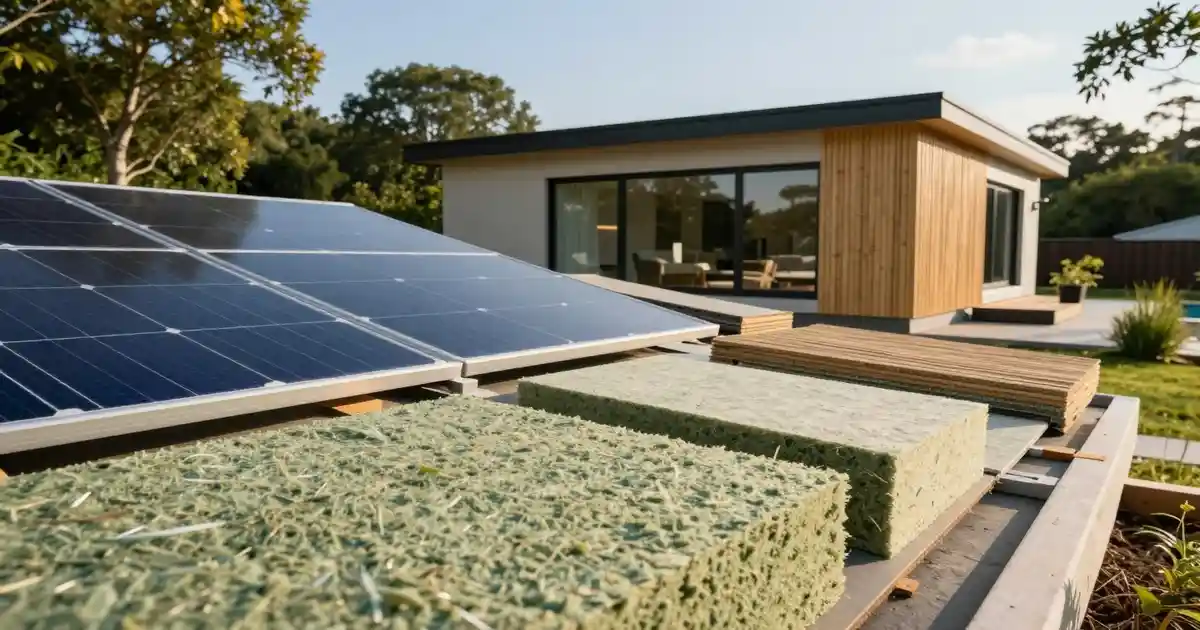
The landscape of modern living is changing rapidly as we prioritize the health of our planet. Today, green real estate is no longer just a niche market; it is becoming the standard for new construction across the United States.
Homebuyers are increasingly seeking eco-friendly homes that reduce energy consumption and lower their carbon footprint. These properties offer long-term savings while promoting a healthier lifestyle for families everywhere.
The rise of sustainable housing is supported by innovative tools that make these upgrades accessible. With the right mortgage options and creative financing, more people can invest in high-efficiency features like solar panels and smart insulation.
By choosing eco-friendly homes, you contribute to a greener future. Embracing sustainable housing is a smart move for both your wallet and the environment. As green real estate continues to evolve, it paves the way for a more resilient and efficient world.
Key Takeaways
- Green real estate is transforming from a luxury trend into a mainstream necessity.
- Eco-friendly homes significantly reduce monthly utility costs through better energy efficiency.
- Sustainable housing projects prioritize renewable materials and lower environmental impact.
- Modern mortgage programs are increasingly designed to support energy-efficient home improvements.
- Strategic financing helps homeowners invest in long-term value and environmental sustainability.
The Evolution of Sustainable Architecture in the United States
The evolution of sustainable architecture in the United States reflects a growing awareness of environmental issues and the need for eco-friendly designs. This shift is not merely a trend but a significant movement towards reducing the environmental footprint of the construction industry.
Sustainable architecture has its roots in the responses to the environmental concerns of the 1960s and 1970s. However, it wasn’t until the late 1990s and early 2000s that it began to gain mainstream acceptance. The introduction of green building rating systems, such as LEED (Leadership in Energy and Environmental Design), played a crucial role in this transition by providing a framework for what constitutes a “green” building.
Early Adopters of Green Building Techniques
Some of the early adopters of green building techniques in the U.S. included visionary architects and environmentally conscious developers. They experimented with innovative materials and designs that minimized environmental impact. For instance, the use of recycled materials, solar panels, and energy-efficient systems became more prevalent.
The benefits of sustainable architecture are multifaceted. Not only does it reduce the environmental footprint of buildings, but it also offers economic benefits through reduced energy costs and enhanced property values. Moreover, green buildings often provide healthier living spaces due to improved indoor air quality and natural lighting.
As the demand for sustainable housing continues to grow, so too does the innovation in green building techniques. The future of sustainable architecture in the U.S. looks promising, with ongoing advancements in technology and design. This evolution is crucial for addressing the environmental challenges posed by the construction industry.
By embracing sustainable architecture, the United States is not only reducing its environmental impact but also setting a precedent for other countries to follow. The journey towards a more sustainable built environment is ongoing, and the progress made so far is a testament to the power of innovation and environmental stewardship.
Key Innovations Driving Green Real Estate Projects
Innovations in green real estate projects are redefining the future of sustainable housing and energy efficiency. The integration of cutting-edge technologies and sustainable practices is making green real estate more viable and attractive.
Renewable Energy Systems are at the forefront of these innovations. Solar panels, wind turbines, and geothermal energy systems are being incorporated into green real estate projects to reduce reliance on non-renewable energy sources. For instance, solar panels can be integrated into building designs to generate electricity while serving as building envelopes.
The use of energy-efficient building materials is another critical innovation. Materials such as recycled insulation, low-E windows, and structural insulated panels (SIPs) help reduce energy consumption by improving building envelopes and minimizing heat loss.
A notable example is the use of low-E windows, which significantly reduce heat transfer between the interior and exterior of buildings, thus lowering heating and cooling costs. Additionally, materials like SIPs provide superior insulation and can reduce construction time.
- Recycled insulation reduces waste and energy consumption.
- Low-E windows minimize heat transfer.
- Structural insulated panels (SIPs) offer superior insulation.
These innovations not only contribute to the sustainability of green real estate projects but also enhance their appeal to environmentally conscious buyers and renters. As the demand for sustainable housing continues to grow, the adoption of these technologies and materials is expected to increase.
The Role of Sustainable Materials in Modern Construction
The shift towards sustainable materials in construction is not just a trend, but a necessary step towards a more environmentally friendly future. As the world grapples with the challenges of climate change and environmental degradation, the construction industry is playing a pivotal role in reducing its ecological footprint.
Sustainable materials are at the forefront of this change, offering a viable alternative to traditional building materials that are often resource-intensive and environmentally harmful. These materials are sourced, processed, and used in ways that minimize their impact on the environment, from reducing waste and conserving natural resources to lowering greenhouse gas emissions.
The benefits of incorporating sustainable materials into construction projects are multifaceted. Firstly, they significantly reduce the environmental impact of buildings by decreasing the demand for virgin materials and minimizing waste.
- Reduced carbon footprint due to lower embodied energy
- Improved indoor air quality through the use of non-toxic materials
- Enhanced durability and longevity of buildings
Furthermore, sustainable materials can also contribute to cost savings over the lifecycle of a building. Although the initial cost of sustainable materials might be higher, their long-term benefits, including energy efficiency and reduced maintenance needs, can lead to significant economic advantages.
The use of sustainable materials is a critical component of eco-friendly construction practices. As the industry continues to evolve, it is likely that we will see even more innovative applications of sustainable materials, driving further reductions in the environmental impact of construction.
Understanding Mortgage & Financing for Green Homes
The growing demand for eco-friendly housing has led to innovative mortgage and financing options for green homes. Homebuyers are now able to take advantage of specialized programs that encourage sustainable living.
One of the key benefits of green home financing is the potential for lower interest rates and more favorable loan terms. Lenders are increasingly offering green mortgages that cater to the unique needs of eco-friendly homes.
Several incentives are available to homeowners who opt for green home financing. These include:
- Tax credits for energy-efficient upgrades
- Grants for renewable energy installations
- Lower property taxes for green-certified homes
Additionally, some lenders offer incentives for green home financing, such as reduced closing costs or higher loan-to-value ratios. Homeowners can also benefit from energy savings, which can be used to offset mortgage payments.
To take advantage of these options, homebuyers should research and compare different green mortgage providers. It’s also essential to work with lenders who have experience in green home financing to ensure a smooth process.
The Impact of Green Certifications on Property Value
As the world shifts towards sustainability, green certifications are emerging as a key determinant of property value in the modern real estate landscape. Green certifications are not just a trend; they are becoming a standard for eco-friendly homes.
How Green Certifications Affect Property Value
Green certifications, such as LEED (Leadership in Energy and Environmental Design) and ENERGY STAR, are designed to recognize homes that meet specific environmental standards.
- Increasing the market value of homes
- Reducing energy costs for homeowners
- Enhancing the marketability of properties
Benefits of Green Certifications
Obtaining a green certification can offer numerous benefits to homeowners, including increased property value, lower utility bills, and a competitive edge in the real estate market. According to the National Association of Realtors, homes with green certifications tend to sell for more than their non-certified counterparts.
Investing in green certifications is not just about enhancing property value; it’s also about contributing to a sustainable future. As more buyers prioritize environmental sustainability, the demand for green-certified homes is expected to rise.
Urban Planning and the Rise of Eco-Districts
As cities continue to grow, the importance of urban planning in creating sustainable communities cannot be overstated. Effective urban planning is crucial for developing eco-districts, which are designed to be environmentally friendly and sustainable.
The concept of eco-districts represents a significant shift in urban planning, focusing on creating neighborhoods that not only minimize environmental impact but also provide high quality of life for residents. This approach to urban development integrates various aspects, including energy efficiency, waste reduction, and green spaces.
Eco-district planning involves a comprehensive strategy that includes mixed-use development, efficient transportation systems, and innovative building designs. By incorporating these elements, eco-districts can significantly reduce their carbon footprint and enhance the livability of urban areas.
One of the key benefits of eco-districts is their ability to foster sustainable development. By promoting energy-efficient buildings, reducing waste, and encouraging the use of renewable energy sources, eco-districts can serve as models for sustainable urban development.
Examples of Successful Eco-Districts
Several cities around the world have successfully implemented eco-districts, showcasing the potential of this approach to urban planning. For instance, the Vauban district in Freiburg, Germany, is renowned for its sustainable development and innovative transportation systems.
- The Vauban district features car-free zones and prioritizes pedestrian and bicycle traffic.
- It incorporates green buildings and renewable energy systems, significantly reducing its carbon footprint.
- The district also includes community gardens and green spaces, enhancing the quality of life for residents.
Another example is the Biodistrict in Milan, Italy, which focuses on creating a sustainable and resilient urban environment. This project includes the renovation of existing buildings, the creation of green spaces, and the implementation of energy-efficient systems.
These examples demonstrate the potential of eco-districts to transform urban areas into sustainable and livable communities, highlighting the importance of innovative urban planning in achieving sustainable development goals.
Water Conservation Technologies in Residential Housing
As the world shifts towards more sustainable living, water conservation technologies are becoming increasingly crucial in residential housing. The need to conserve water is driven by the growing awareness of its scarcity and the environmental impact of its wastage.
Residential housing accounts for a significant portion of water usage, making it an area where conservation efforts can have a substantial impact. Various water conservation technologies are being adopted to reduce water waste and promote sustainability in homes.
The integration of water conservation technologies in residential housing offers numerous benefits. Reduced water consumption is the most immediate advantage, leading to lower water bills for homeowners.
Additionally, conserving water reduces the energy required to treat and transport water, thereby decreasing the carbon footprint of residential housing. This not only contributes to a more sustainable environment but also helps in mitigating the effects of climate change.
- Lower water bills due to reduced consumption
- Decreased energy usage for water treatment and transportation
- Enhanced sustainability and reduced environmental impact
- Increased property value with eco-friendly features
Some of the key water conservation technologies being used in residential housing include low-flow fixtures, rainwater harvesting systems, and greywater reuse systems. These technologies are designed to minimize water waste and optimize its use.
Low-flow fixtures, such as showerheads and faucets, reduce the amount of water used without compromising performance. Rainwater harvesting systems collect and store rainwater for non-potable uses like irrigation and flushing toilets. Greywater reuse systems treat and reuse water from sinks, showers, and washing machines for irrigation and flushing toilets.
The adoption of these technologies not only supports water conservation but also promotes a culture of sustainability among homeowners. By embracing eco-friendly technologies, residential housing can significantly reduce its environmental footprint.
Renewable Energy Integration at the Residential Level
The adoption of renewable energy at the residential level is a significant step towards a more sustainable future. As homeowners become increasingly aware of the importance of reducing their carbon footprint, the demand for renewable energy solutions has seen a notable surge.
Renewable energy integration involves incorporating various sustainable energy sources into residential homes, such as solar, wind, and geothermal energy. Solar energy, in particular, has gained popularity due to its accessibility and the significant advancements in technology that have made it more efficient and affordable.
The benefits of integrating renewable energy at the residential level are multifaceted. Firstly, it significantly reduces reliance on non-renewable energy sources, thereby decreasing greenhouse gas emissions and contributing to a cleaner environment.
- Energy Independence: Renewable energy allows homeowners to generate their own energy, reducing dependence on the grid and providing a level of energy security.
- Economic Benefits: While the initial investment in renewable energy systems can be substantial, they offer long-term savings on energy bills and may also provide tax incentives.
- Increased Property Value: Homes equipped with renewable energy systems often see an increase in property value, making them more attractive to potential buyers.
As technology continues to evolve, the efficiency and affordability of renewable energy systems are expected to improve, making them an increasingly viable option for homeowners across the United States.
Overcoming Challenges in Sustainable Real Estate Development
The path to sustainable real estate development is fraught with obstacles, but understanding these challenges is the first step to overcoming them. Sustainable real estate development encompasses a broad range of practices and technologies aimed at reducing the environmental impact of buildings and improving their energy efficiency.
One of the primary challenges is the higher upfront cost associated with green building materials and technologies. Developers often face resistance from investors who are hesitant to invest in projects with higher initial costs, even if they promise long-term savings. However, it’s crucial to highlight the long-term benefits, including reduced operational costs and increased property value.
To overcome these challenges, developers can adopt several strategies. Firstly, embracing innovative financing models can help mitigate the higher upfront costs. Governments and financial institutions are increasingly offering incentives and green financing options for sustainable projects.
- Conduct thorough cost-benefit analyses to demonstrate the long-term value of sustainable features.
- Explore available government incentives and tax credits for green buildings.
- Engage with stakeholders and educate them on the benefits of sustainable real estate development.
Another significant challenge is regulatory compliance and navigating the complex landscape of green building standards and certifications. Staying updated with the latest regulations and certifications, such as LEED or WELL Building Standard, is crucial for success.
By understanding these challenges and implementing effective strategies, developers can successfully navigate the complexities of sustainable real estate development and contribute to a more sustainable future.
The Future of Prefabricated and Modular Green Housing
As the world shifts towards more sustainable practices, prefabricated and modular green housing is emerging as a key player in the future of real estate. This innovative approach to housing construction is not only reducing environmental impact but also enhancing the efficiency and quality of housing development.
Prefabricated and modular housing involves constructing buildings in a factory, which are then transported to the site for assembly. This method significantly reduces waste and allows for more precise construction, leading to higher quality buildings.
Innovations in Prefabricated and Modular Construction
The technology behind prefabricated and modular green housing is rapidly evolving. Advanced materials and designs are being integrated into these structures, improving their sustainability and livability. For instance, the use of recycled materials and energy-efficient systems is becoming more prevalent.
- Improved energy efficiency through better insulation and window systems.
- Reduced construction time due to the simultaneous preparation of the building site and the construction of the modules in a factory.
- Enhanced quality control as modules are constructed in a controlled environment.
The benefits of prefabricated and modular green housing are multifaceted. Not only do they offer a more sustainable alternative to traditional housing, but they also provide affordable and high-quality housing solutions. As the demand for green housing continues to grow, the role of prefabricated and modular construction is likely to become increasingly significant.
The future of housing is being shaped by technological innovations and a growing commitment to sustainability. Prefabricated and modular green housing is at the forefront of this movement, offering a promising solution to the environmental challenges faced by the construction industry.
Conclusion
The future of real estate is undeniably green. As discussed, sustainable housing trends are revolutionizing the way we build and inhabit our living spaces. From innovative materials and water conservation technologies to renewable energy integration and eco-districts, the green real estate future is bright.
Continued innovation and investment in sustainable housing are crucial for reducing our environmental footprint. As the industry moves forward, we can expect to see more prefabricated and modular green housing, further driving the adoption of sustainable practices.
The green real estate market is poised for significant growth, driven by consumer demand for eco-friendly homes and government incentives for sustainable development. As we look to the future, it’s clear that sustainable housing trends will play a vital role in shaping the built environment.